


-

- Magazine
-
Articles
"World of Interiors": Shopping trends around the world
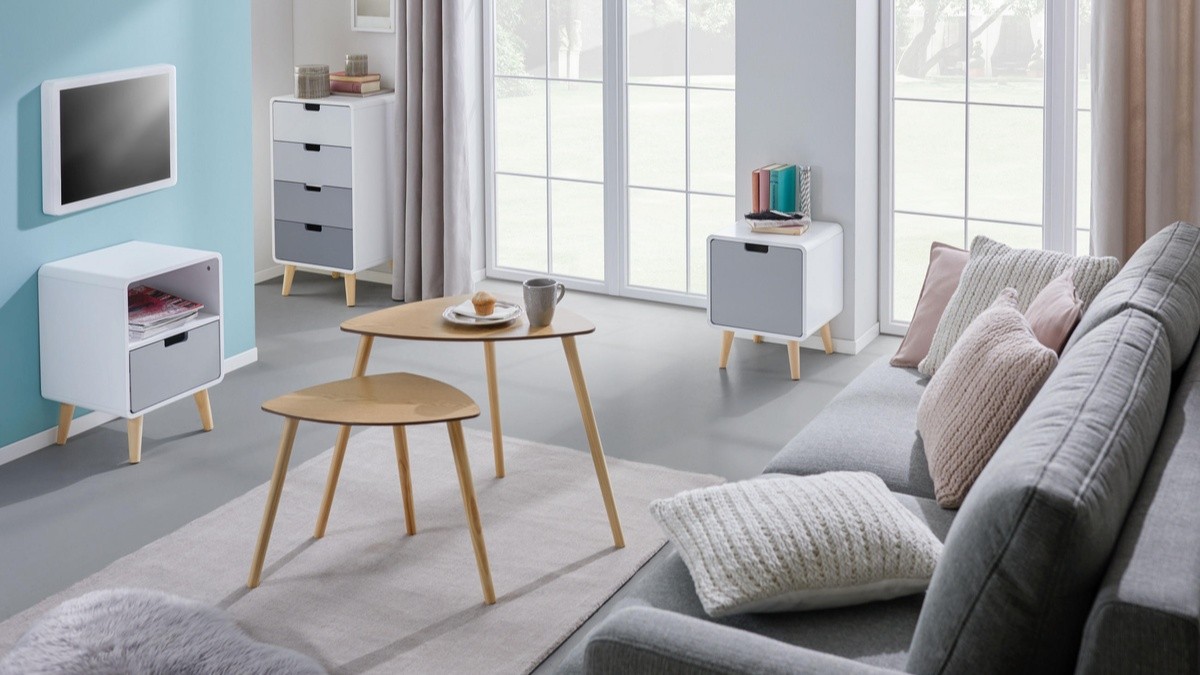
Mobility is becoming a must: furniture to go
Low-priced furniture to go is a particularly fast-growing segment. Young people with smaller budgets and frequently changing living situations are looking for products that can be used flexibly and are easy to transport. The trend is towards lightweight, intelligently designed furniture that can be assembled without tools and disassembled just as quickly. One example of this is foldable sideboards with textile coverings that can be folded up to save space when not in use. Modular cube furniture, which can be configured as a shelf, bedside table or TV board as required, is also in tune with the times. Whether foldable, with castors or collapsible: lightweight and uncomplicated furniture to-go is all the rage.
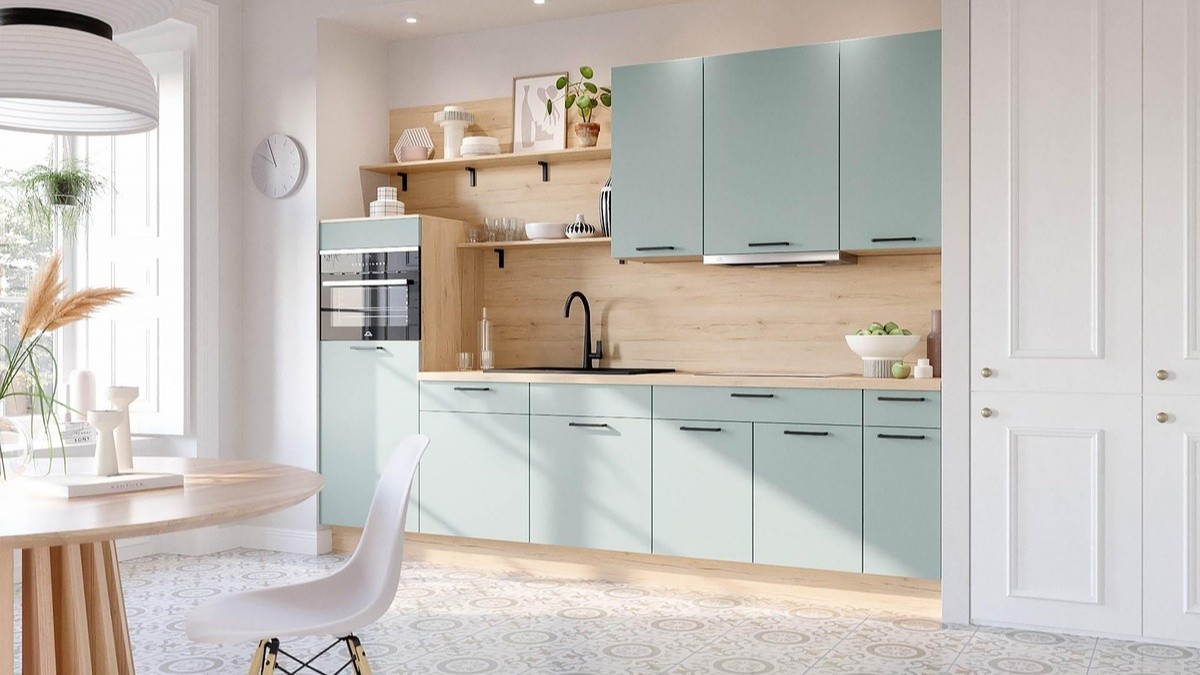
Space-saving and sustainable: A smart kitchen solution that combines functionality, design, and durability in the smallest of spaces. Credit: Poco
Sustainable living - but affordable
At the same time, a new category is establishing itself in the mid-price segment, which can be summarised under the term ‘New Basics’. This furniture appeals to a target group that values sustainability, durability and resource-conserving materials - without wanting to spend a fortune on it. A solid wood chair with FSC certification, which is delivered flat-packed and can be assembled in a few simple steps, epitomises this claim. Also in demand are sofas with removable, washable covers made from recycled polyester or kitchen modules made from recycled plastic that can be individually combined and expanded as required. The decisive factor is the mix of honest materials, minimalist design and a price that remains below psychological thresholds.
Hybrid lifestyles require flexible solutions
In addition to price and sustainability, suitability for everyday use is also crucial. After all, living and working are increasingly merging - especially in urban households with limited space. Multifunctional furniture offers real solutions here. The classic sofa bed is experiencing a revival, especially in combination with integrated storage space. Tables with a pull-out function that serve as a workplace during the day and become a dining area for four people in the evening are just as popular as room dividers with a built-in desk that separate the living room from the home office without reducing the size of the room. The design also plays a key role: the new all-rounders should not only be functional, but also cosy. Soft lines, soft colours such as sage, terracotta or sand as well as matt surfaces make the furniture suitable for a Scandinavian-inspired interior or an urban loft style.
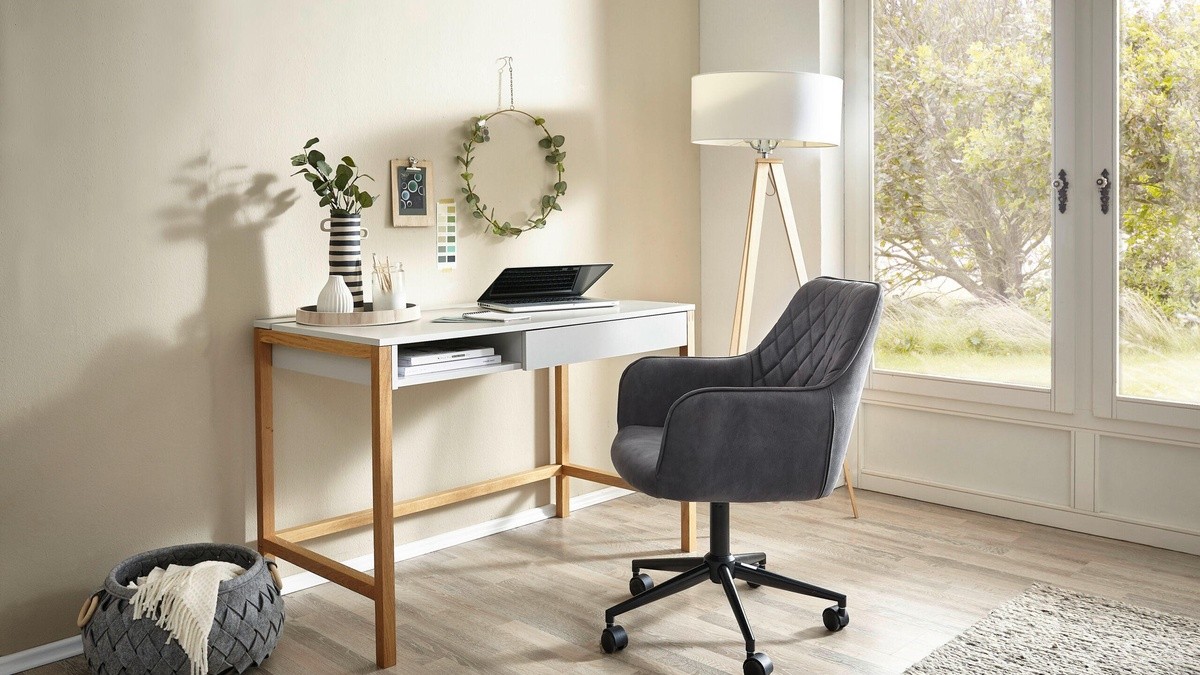
Versatile use: Sleek home office solutions that fit stylishly even into small spaces. Credit: XXL Lutz
Three trends, one goal: relevance in the product range
Current market developments make it clear that successful purchasing today requires more than just a good head for figures - a deep understanding of the reality of consumers' lives is required. Price, function and design are the constant points of reference. However, not every trend that attracts attention online is automatically reflected in purchasing decisions. It is crucial to interpret relevant trends in such a way that they prove themselves in everyday life and fit the financial reach of the target group. Not every eye-catching design object is suitable for broad marketing - many of the underlying concepts, on the other hand, can be further developed in a practical and market-orientated way. For example, online retailers can impress with compact, cosily designed home office solutions. Stationary formats, on the other hand, benefit from clearly communicated themed areas, such as those centred around the ‘New Basics’ segment. Strategically deployed own brands or exclusive products that work across all channels can also prove to be valuable differentiation tools.
Which product categories are doing particularly well? Which price ranges are relevant? Which items can be marketed across all channels? Asking these questions at an early stage gives you a strategic advantage. The imm cologne, which filters international trends and makes market-ready products visible from 20 to 23 January 2026, offers orientation. Many of the new products presented there are not mere prototypes, but are already calculated, ready for series production and available at short notice. As the industry’s established kick-off to the furniture year 2026, his turns trend observation into concrete product range work - and four days at the trade fair into a whole year of market advantage in the best case scenario.
Save the date: 20-23 January 2026 - imm cologne, Cologne
More information & exhibitor list: www.imm-cologne.com

