-

- Magazine
-
Articles
What the furniture industry can learn from discount retailers about brand love
Affordable with Attitude: How Drops Democratise Coolness
A “drop” simply means a limited, short-term edition – once it’s gone, it’s gone. ALDI has been playing this game for years with its ALDImania collection: branded merch with a set launch date, bold tone of voice, quick sell-outs and strong media buzz. Lidl popularised the mechanic with its logo trainers – ironic, inexpensive, limited, and suddenly people were queuing for a discount product. For furniture, the same logic applies. A bestseller such as a cube shelf can be relaunched as a limited-edition colour variant tied to a specific date. A short explanation (“Drop = limited edition – once it’s gone, it’s gone”), a countdown in the online shop to build tension, and instead of catalogue pages, short reels, lookbook images and authentic copy. The result: desirability without hiding the price tag.
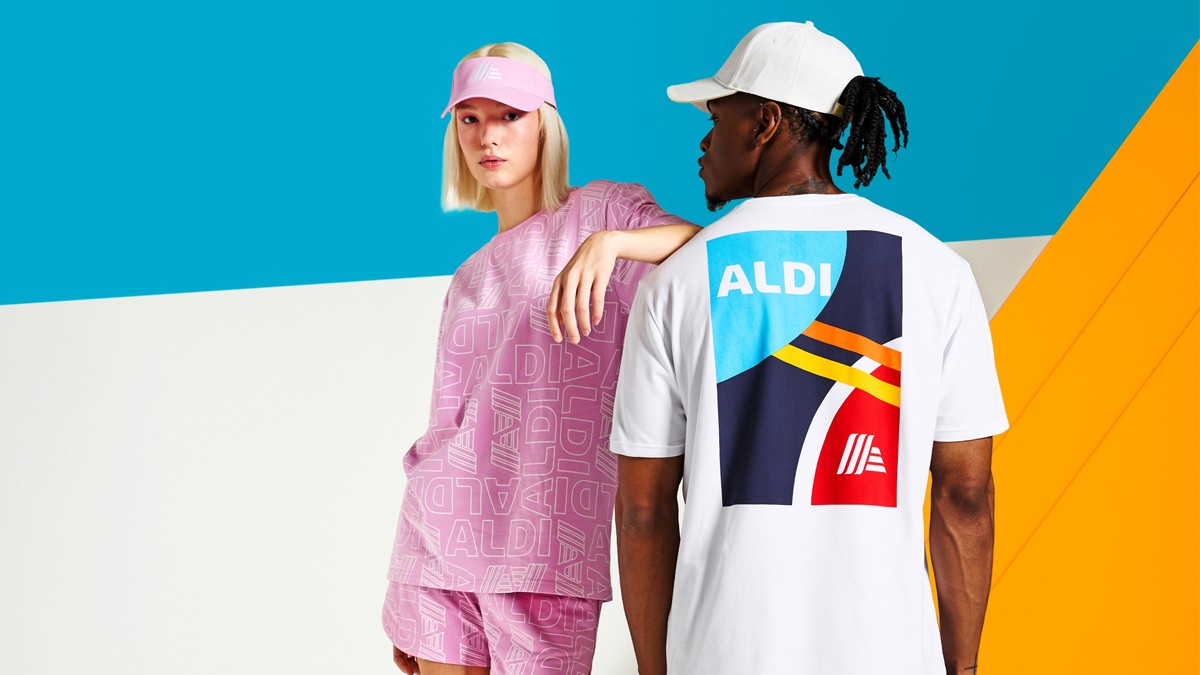
Discounters as trendsetters: Aldi sells cool summer styles. Credit: ©ALDI SÜD
Feeling, Not Flyers: Stories that Solve Everyday Life
PENNY’s Christmas campaigns prove that even a discount brand can strike an emotional chord when it stands for something. The Rift highlighted social divides – and hit a nerve. The key for furniture is translation, not moralising: relatable stories that show tangible, real-life improvements. Think of a sofa that turns into a guest bed at the weekend; smart storage ideas for a 50-square-metre flat; or a home-office setup that fits neatly into a corner. Every promise must be proven – through FSC or PEFC certification, clear guarantees and simple repair tips via QR code. That’s how a budget product becomes genuine value – and how value becomes emotion.
Rhythm Beats Noise: Why Newness Drives Traffic
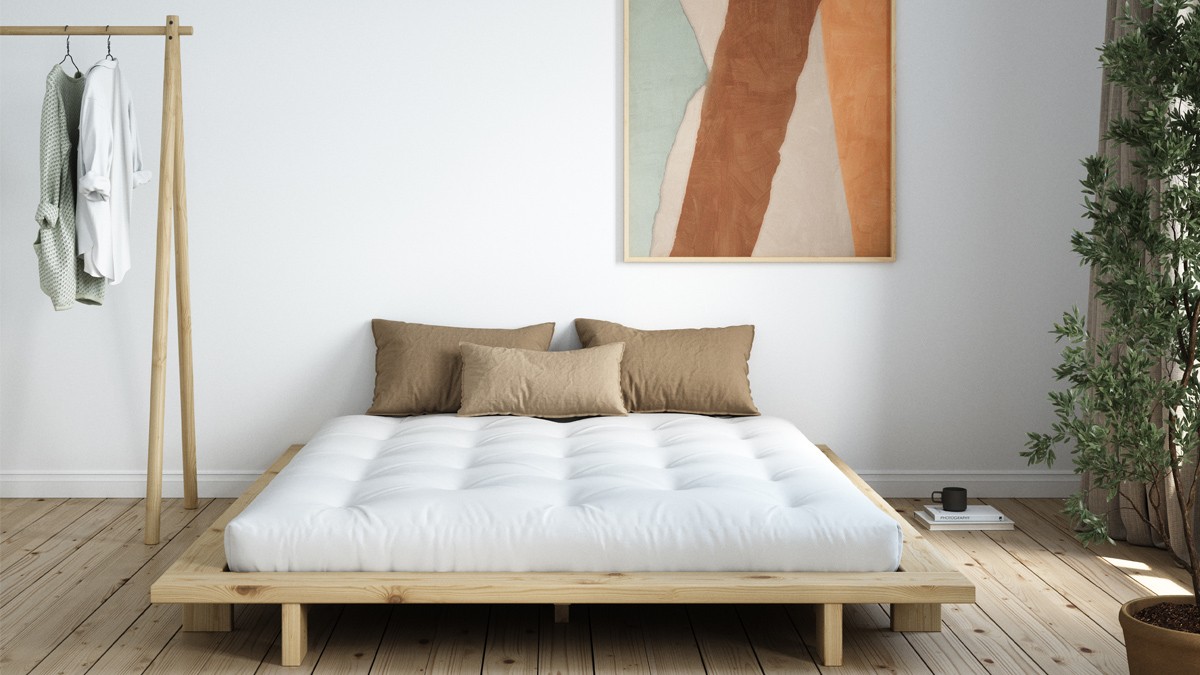
Action thrives not because of big-budget commercials, but because of rhythm: weekly themes, clear pricing, small surprises. This “new-goods routine” can easily be adapted for furniture. Instead of endless discount cycles, a themed calendar creates momentum – “Back to Uni” in late summer, “Guest Weekend” before the holidays, “Balcony Season” in spring. Each week features a hero product – for instance, a futon or daybed – and two meaningful add-ons like a foldable side table or a textile set. Short videos (“Assembled in 5 Steps”) extend the campaign digitally, increase engagement time and ideally reduce returns.
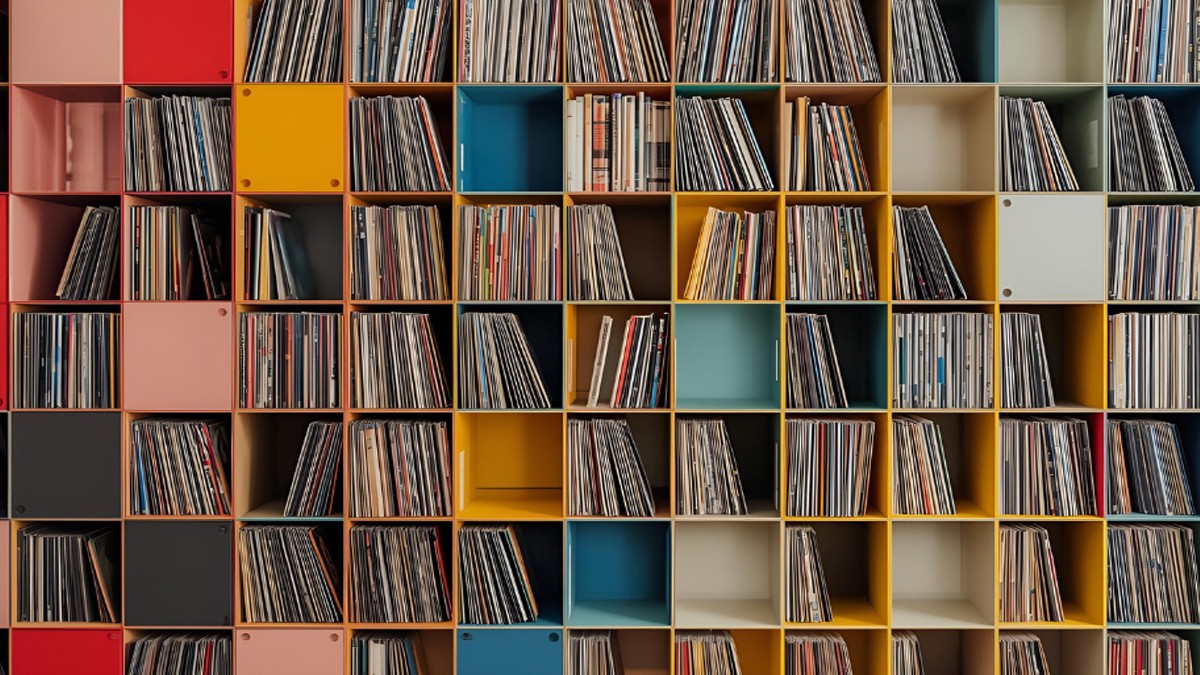
Cube shelves are affordable – and perfect for limited-edition drops. Credit: Generated with Canva’s AI tool
Think Digital: How POCO Links Price, Points and Service
POCO shows how to bring the discounter spirit into the digital world. The app combines loyalty points, coupons and store news, while digital receipts make warranties and service cases easier. The result is a continuous service loop: earn points, get benefits, come back. For retailers, this means embracing a “drop-ready” mindset: imagine the cube shelf as a limited-edition colourway bundled with matching boxes and a social countdown. Or a 3-in-1 sofa bed positioned as the ultimate city living solution – presented not with data sheets but 30-second reels. Starter sets, such as a kitchen trolley with matching stools, could trigger bonus points in the app. Price value meets practical service – and stays top of mind.
What Works Better
Fake purpose gets spotted quickly. Over-promising and under-delivering costs trust. Better: focus on a few strong, verifiable proofs – certifications, guarantees, repairability. Likewise, turning a value brand into a luxury one rarely works. If the tone doesn’t fit the audience, it feels off-key. Small, justified premium moments are fine – as long as they’re credible and integrated into the overall assortment.
Now Is the Moment
Private labels are strong in Europe – a solid foundation for what could become “Loved Value”. Those who tell stories with emotion, stage them with focus and extend them digitally can turn budget products into desirable brand moments. For the furniture industry, that means small, precise product highlights with real everyday benefits – presented more like a magazine feature than a sales flyer