


-

- Magazine
-
Articles
imm cologne 2026: How Cologne became a B2B sourcing stage and which trends matter now
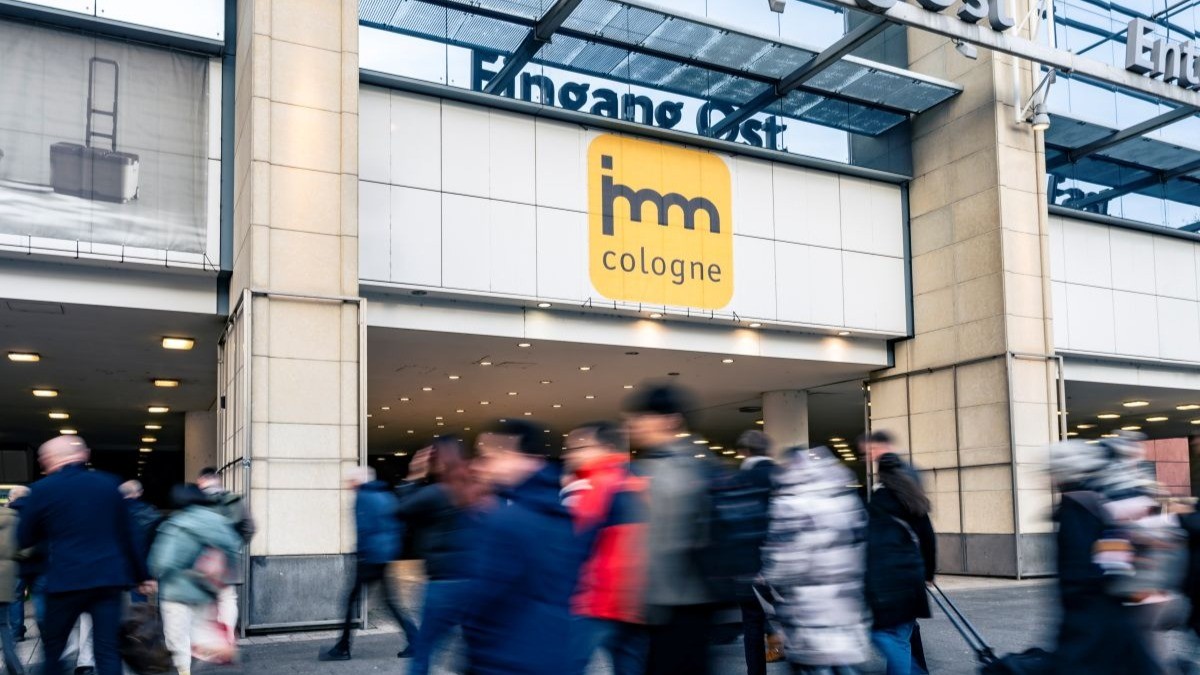
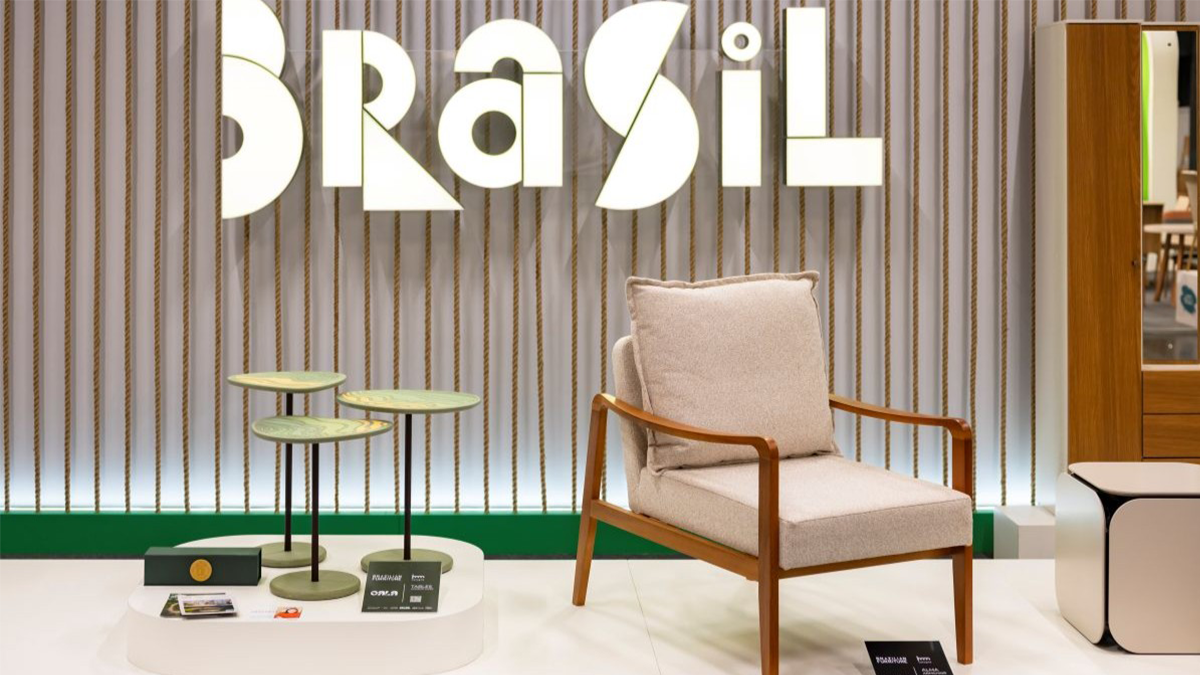
Impressions from imm cologne 2026. Credit: Koelnmesse GmbH, Oliver Wachenfeld
Sourcing instead of showmanship: why the new B2B profile works
The core strength of imm cologne 2026 lay in its new role as a sourcing platform. This was most evident where the trade fair truly matters for decision-makers: in the direct comparability of assortments, design language, perceived quality and delivery capability. For buying groups, multi-store retailers and digital players, this creates a genuine marketplace moment: you see ranges not in isolation, but in the context of alternative offers, can assess price and performance logic more clearly, and build reliable contacts for the furniture year in a short time. Exactly this “working trade fair” quality builds trust in a format that deliberately does not aim to be the traditional show of the past, but is redefining itself like a start-up – with a clear mission and a clear target group.
Trends from the show floor: practical, sales-ready, instantly transferable
Trends followed the same pattern: less staging, more relevance. New products had already been thought one decisive step further – not design studies, but assortment-ready answers to real floorplans, budgets and usage habits. Flexibility stood out in particular. Functional solutions were not presented as extras, but as a new normal: sofas that turn into guest beds in a few moves while integrating storage, tables that switch between home office and dining, or compact storage units that can grow modularly as life changes. A bed that lifts to the ceiling and frees the room completely, or a mechanism that changes room layouts through intelligent motion – these concepts captured the fair’s overarching trend especially clearly: living becomes transformable because space is precious and customers expect furniture to take on multiple roles at once.
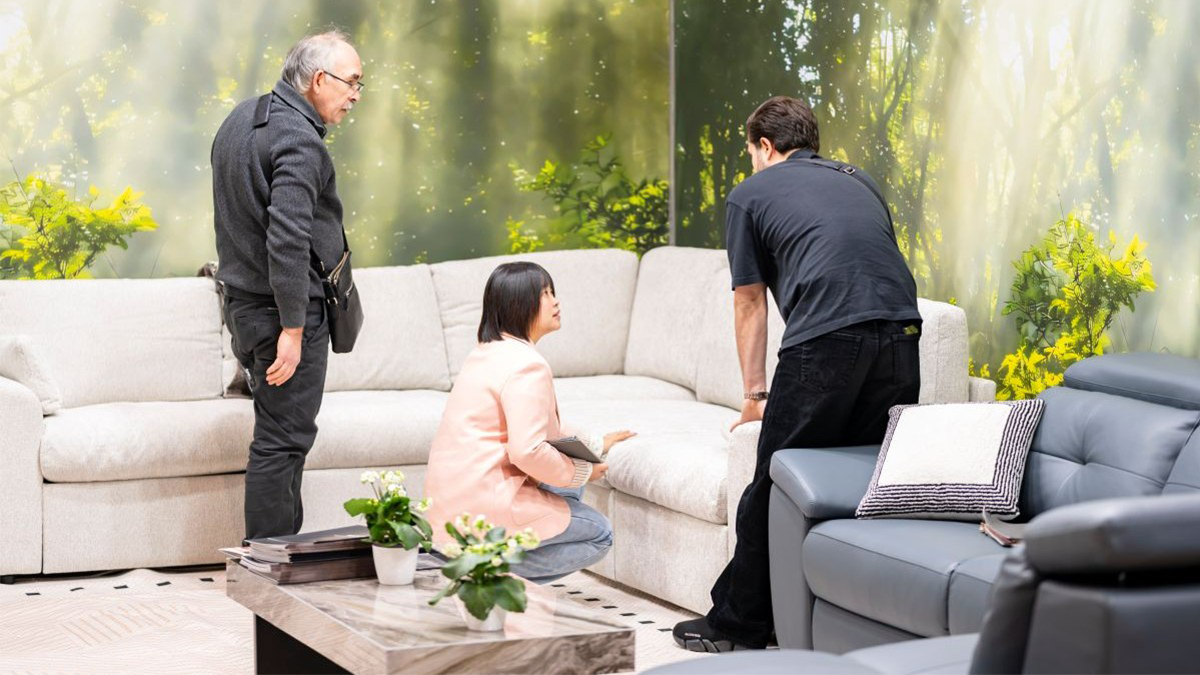
Impressions from imm cologne 2026. Credit: Koelnmesse GmbH, Oliver Wachenfeld
In parallel, a homely, softer look prevailed – easy to tell as a retail story. Organic shapes, rounded edges and a warm palette of natural tones, sand, cream or muted greens made many settings instantly relatable. Added to this were surfaces that feel calm and tactile rather than cool: matte structures, textile haptics and warm wood looks that convey comfort without visual noise. This “quiet is the new loud” approach is not a short-lived style moment, but a clear response to the desire for retreat and comfort – and therefore an assortment theme that can run from upholstery and occasional furniture through to the sleep segment.
Another striking observation was how naturally comfort features were integrated. Technology appeared not as an end in itself, but as a subtle upgrade: adjustable relax functions, ergonomic details, well-designed mechanisms and usage logic that make everyday life easier. Especially in the mid-price segment, this creates a compelling promise: more comfort without customers having to completely redesign their home. This impression was reinforced by light and glass as mood makers. Warm indirect lighting, softly shaped luminaires and glass accents made even compact settings feel more generous. This is not only aesthetically relevant, but also psychologically powerful, because it makes a sense of homeliness instantly visible.
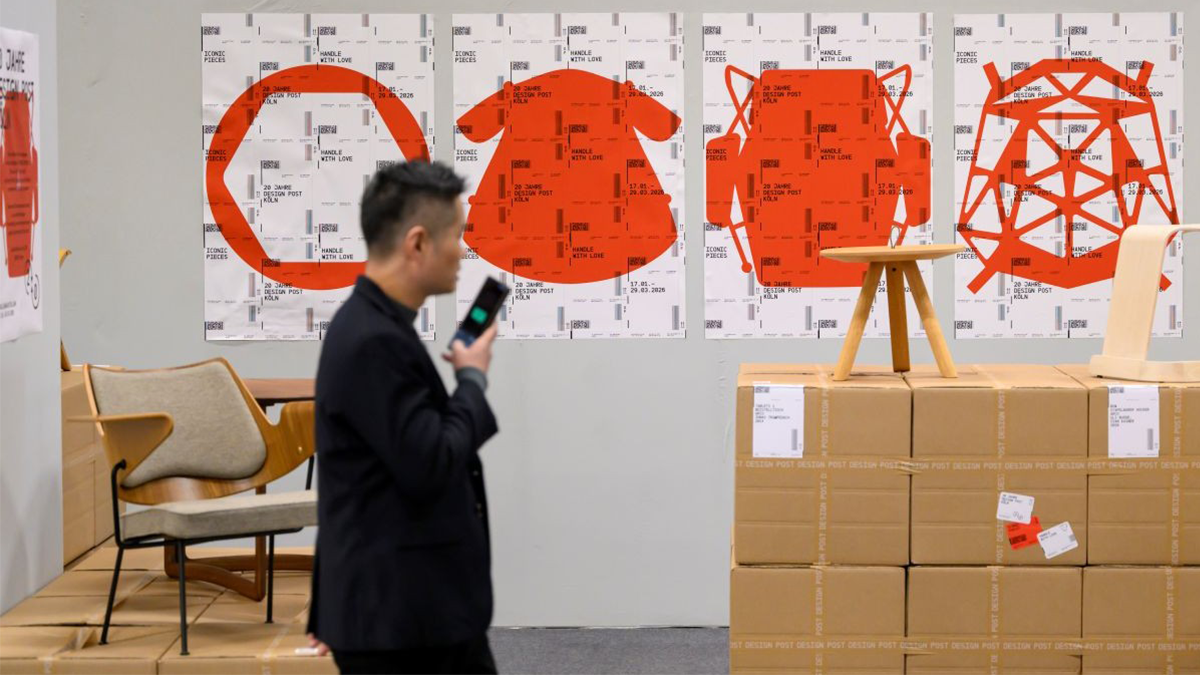
Impressions from imm cologne 2026. Credit: Koelnmesse GmbH, Oliver Wachenfeld
Four days that can set up a whole furniture year
The numbers also confirm that the repositioning resonates: 339 exhibitors from 28 countries met more than 10,000 trade visitors. The consistently positive feedback reflects that imm cologne 2026 delivered what its new positioning promises: a focused B2B format that makes international supply visible and translates it into concrete work for buying and assortments. The fair showed that “World of Interiors” works as a consumer-oriented business platform when it consistently focuses on market-ready ranges, clear comparability and genuine reasons to talk business. And it confirmed that trends are most valuable when they don’t just photograph well, but work in customers’ everyday lives – and arrive in retail as coherent themed worlds, calculable price points and reliable product stories. Anyone who used Cologne 2026 as a toolkit for assortment planning could turn four fair days into an advantage for the months ahead.

